
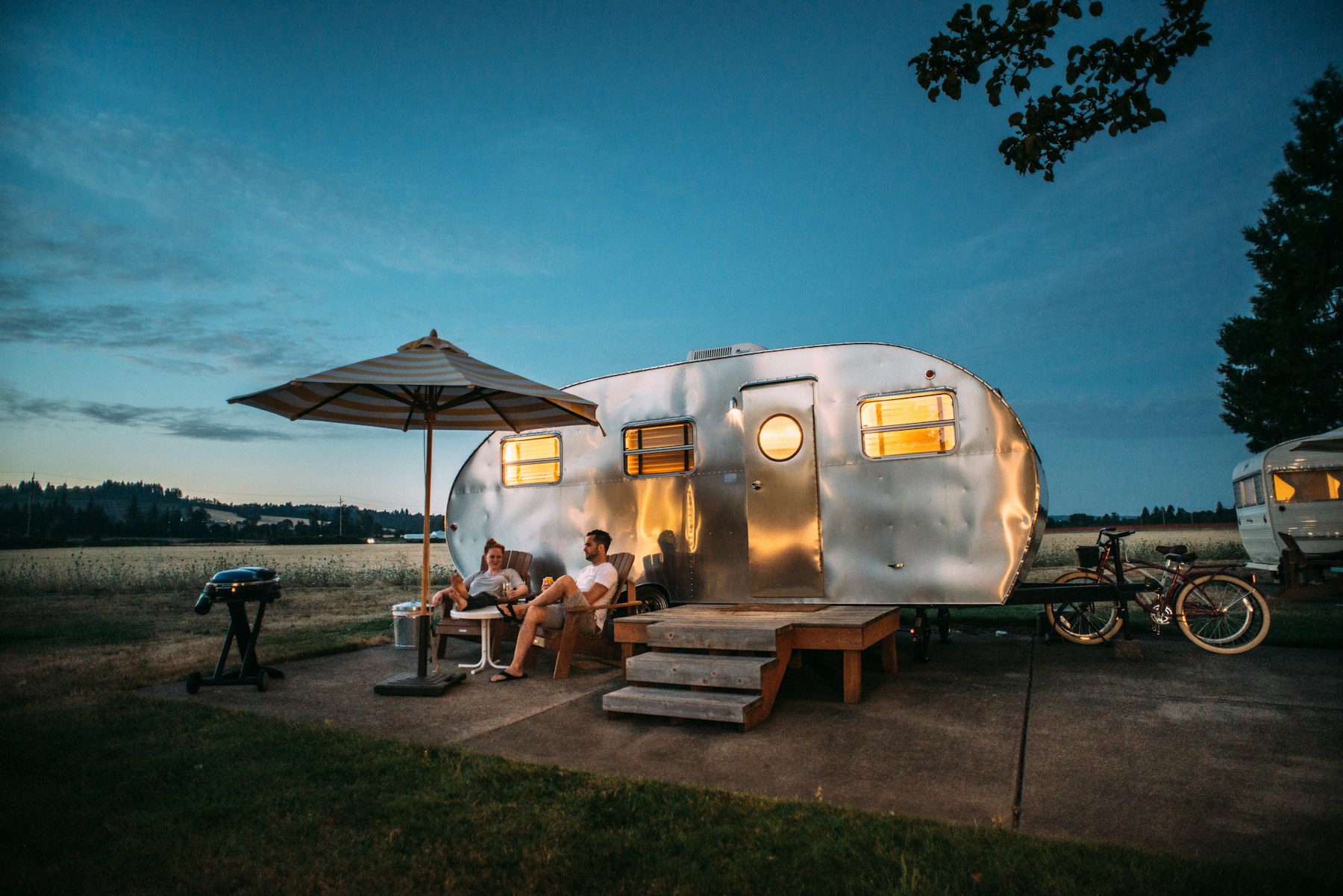
Plan refrigeration, connectivity and appliances between hookups without guessing from battery size alone.
01
Start with the time between hookups
RV power planning begins with the gap between reliable shore power connections. A short overnight stop, a two-day boondocking trip and a week at a remote site create very different energy plans.
Write down what must stay on, what is used occasionally and what can wait. Refrigeration, a router, lighting and phone charging usually belong in the essential group. Coffee makers, microwaves and air conditioners belong in the high-draw group and need their own output check.
02
Check output before capacity
Capacity tells you how long a battery can support a load, but output determines whether the device can start. Add the running watts of simultaneous loads, then check startup or surge requirements for compressors and motors.
| RV load | Planning role |
|---|---|
| Refrigerator | Continuous or cycling essential |
| Router | Low-wattage connectivity |
| Laptop and TV | Scheduled comfort load |
| Coffee maker or microwave | High-draw short-duration load |
03
Choose a starting configuration
G4800 is a practical starting point when refrigeration, connectivity and appliances need more time between hookups. Choose G7200 when the same loads need longer runtime or when the RV plan includes additional continuous loads. Compatible solar input can help recover daytime consumption, but production depends on sunlight, panel position, temperature and shade.
The most useful comparison is not simply the largest watt-hour number. Compare the system's usable capacity, output channels, charging method, mobility and expansion path against the RV's real load plan.
04
A simple RV runtime method
Estimate each load in watt-hours, then add them for the planned period. A refrigerator rated at 120W may not draw 120W continuously; use a realistic duty-cycle estimate and leave reserve for conversion loss and changing conditions.
05
A better RV power checklist
Before a trip, confirm the load, runtime and recovery plan in that order.
- List essential and comfort loads separately.
- Check startup watts for refrigerators, pumps and kitchen appliances.
- Decide how many hours must be covered before the next hookup.
- Plan AC charging before departure and compatible solar recovery during the day.
- Keep the user manual and regional electrical requirements with the system.
Questions
Frequently asked questions
Is a larger battery always better for an RV?
Not always. A larger battery adds runtime but also adds weight, cost and charging time. Choose enough capacity for the planned loads and time between hookups, with practical reserve.
Can an RV refrigerator run from a portable power station?
It can when the station meets the refrigerator's running and startup requirements and the connection method is appropriate for the RV setup.