
List your loads
Write down every device and its continuous watts.
Side by side · Load before capacity
Start with output for device compatibility. Then use capacity to estimate how long the system can keep those loads running.
Modular systems
Pro and Ultra models add independent 3.3kW inverter channels. Their listed total output is distributed across those channels, not available through one unrestricted outlet.
| Model | 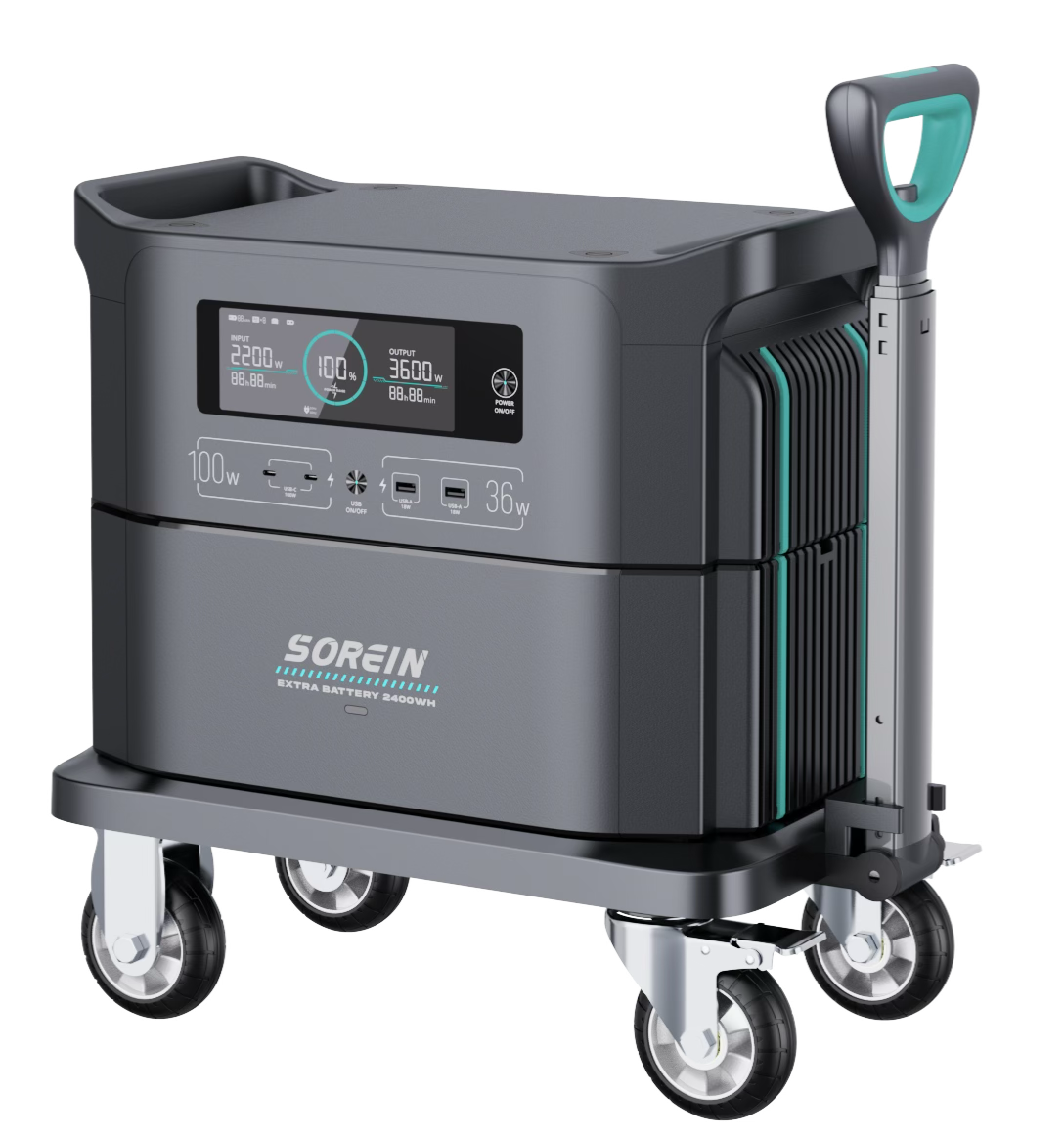 G2400Modular high-output starting point G2400Modular high-output starting point | 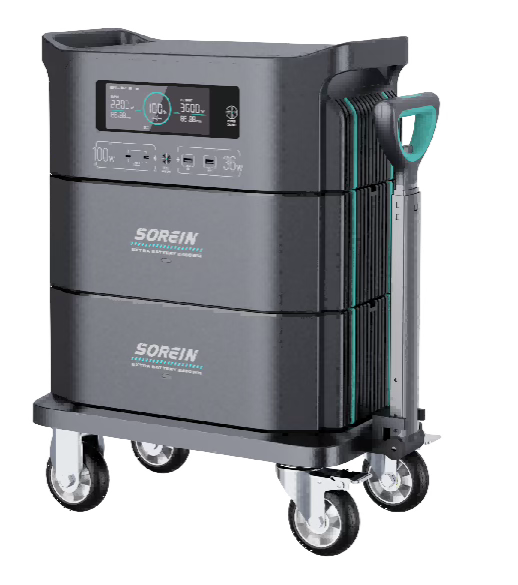 G4800Double the stored energy G4800Double the stored energy | 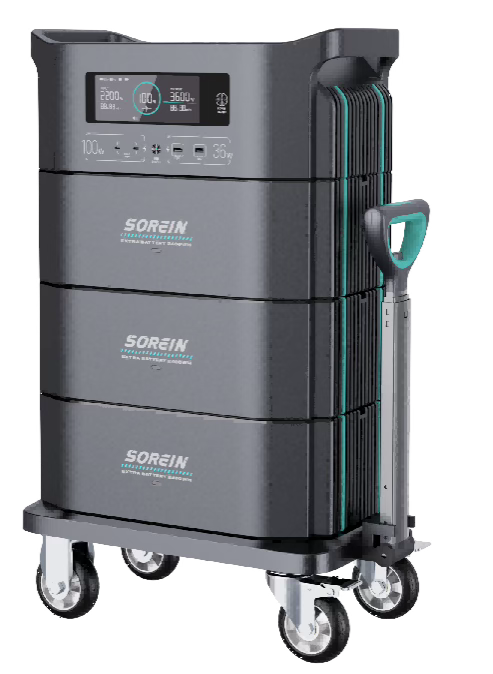 G7200Long-runtime single inverter G7200Long-runtime single inverter | 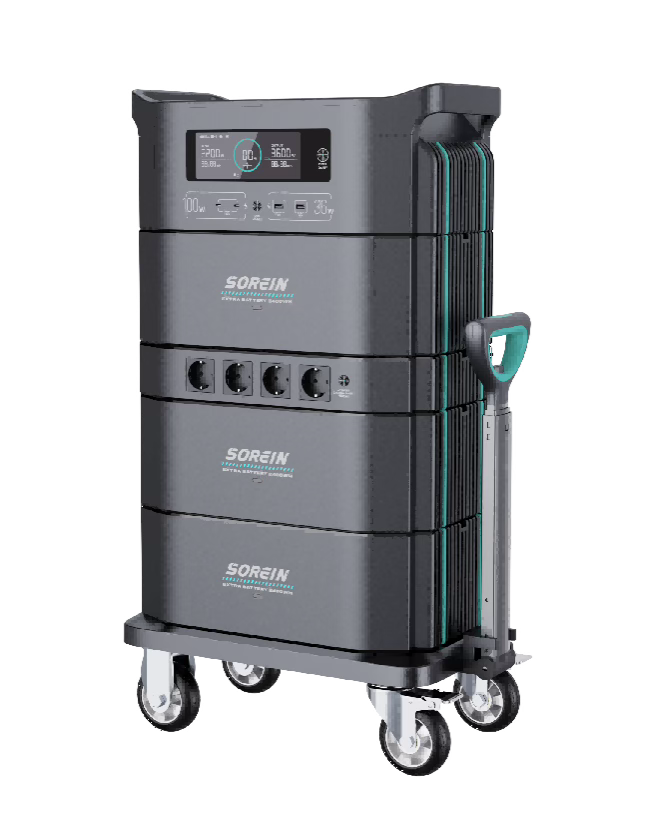 G7200 ProDual-inverter performance G7200 ProDual-inverter performance | 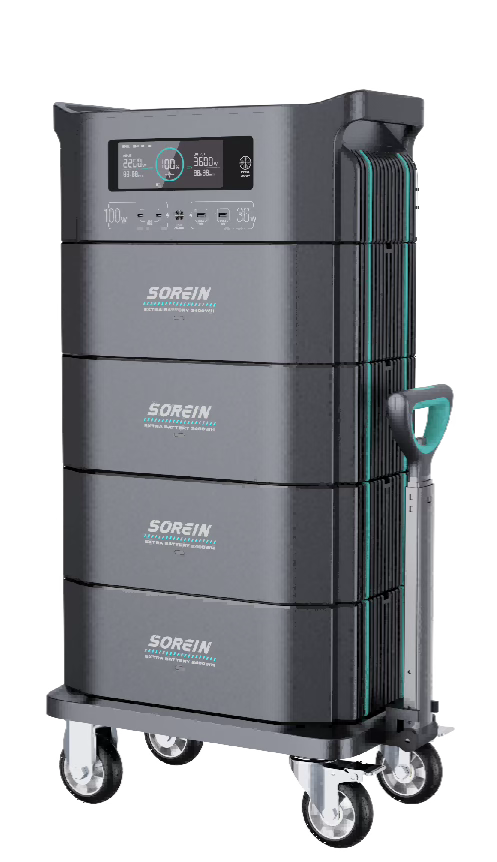 G9600 ProHigh output with longer runtime G9600 ProHigh output with longer runtime | 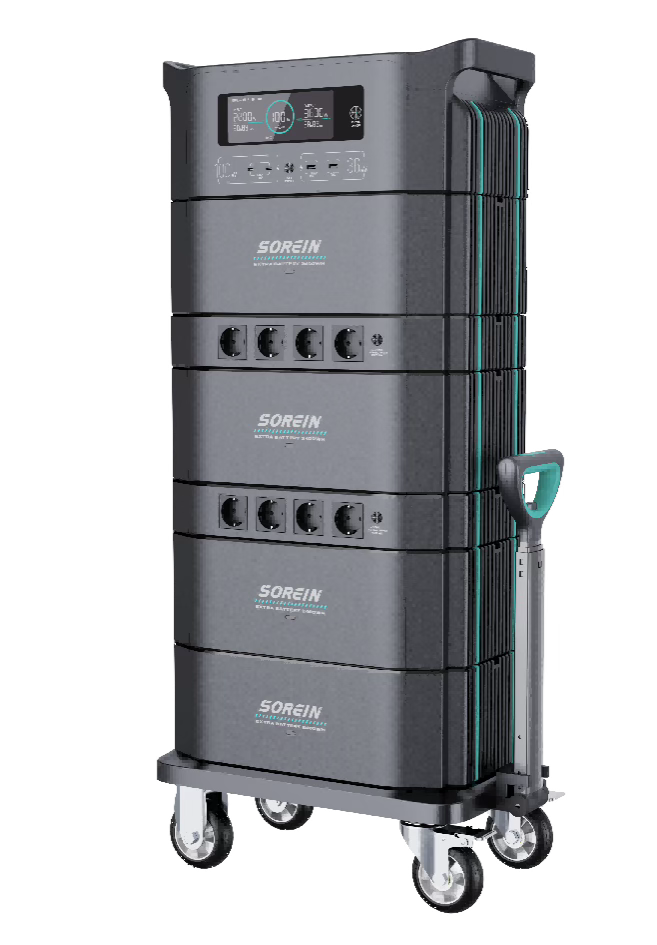 G9600 UltraMaximum listed single-stack output G9600 UltraMaximum listed single-stack output |
|---|---|---|---|---|---|---|
| Capacity | 2,400Wh | 4,800Wh | 7,200Wh | 7,200Wh | 9,600Wh | 9,600Wh |
| AC output | 3,300W rated · 6,500W peak | 3,300W rated · 6,500W peak | 3,300W rated · 6,500W peak | 6,600W · 2 × 3,300W | 6,600W · 2 × 3,300W | 9,900W · 3 × 3,300W |
| Battery | 48V LFP · 4,000 cycles to 80% | 48V LFP · 4,000 cycles to 80% | 48V LFP · 4,000 cycles to 80% | 48V LFP · 4,000 cycles to 80% | 48V LFP · 4,000 cycles to 80% | 48V LFP · 4,000 cycles to 80% |
| AC recharge | Approx. 2.3 hours | Approx. 3.3 hours | Approx. 4.8 hours | Approx. 2.6 hours | Up to 3,600W AC input | Approx. 2.3 hours |
| Solar plan | Up to 1,000W via main base | Up to 1,000W via main base | Up to 1,000W via main base | Up to 1,000W via main base | Up to 1,000W via main base | Up to 1,000W via main base |
| Key capabilities | Start with one 2.4kWh battery module · 3.3kW inverter channel | Two stackable 2.4kWh battery modules · Same 3.3kW inverter channel | 7.2kWh single-channel configuration · Built for long continuous loads | Two independent 3.3kW channels · 0ms transfer configuration | Two independent 3.3kW channels · 9.6kWh modular storage | Three independent 3.3kW channels · 9.9kW total listed output |
| Best for | Construction tools, RV power, focused backup | RV stays, cabins and longer mobile work | Cabins, backup essentials and multi-day work | High-draw tools, sensitive loads and split work zones | Construction, large backup plans and mobile workshops | Heavy job sites, emergency response and whole-home planning |
| Full details | View specifications | View specifications | View specifications | View specifications | View specifications | View specifications |
| Purchase | Buy G2400 | Buy G4800 | Buy G7200 | Buy G7200 Pro | Buy G9600 Pro | Buy G9600 Ultra |
Portable stations
One self-contained station. Higher numbers add both output headroom and stored energy.
| Model | 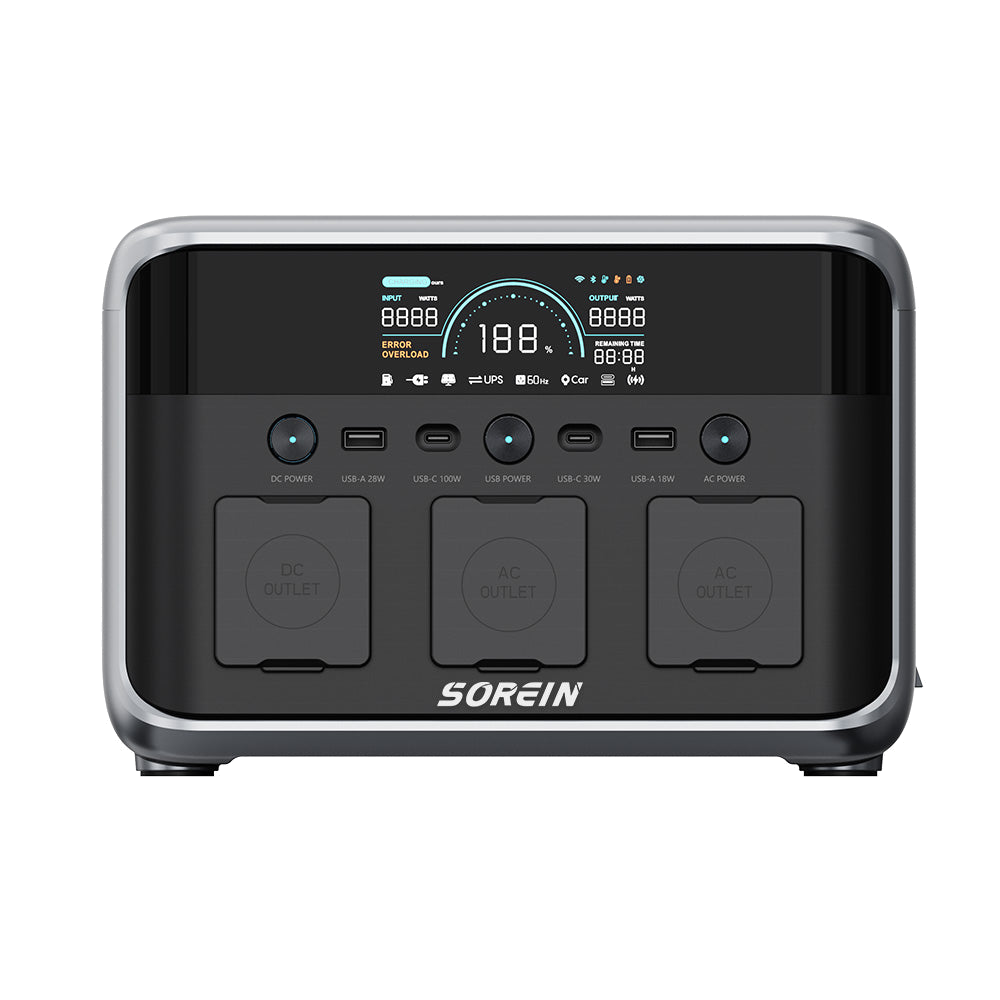 P600Grab-and-go power P600Grab-and-go power | 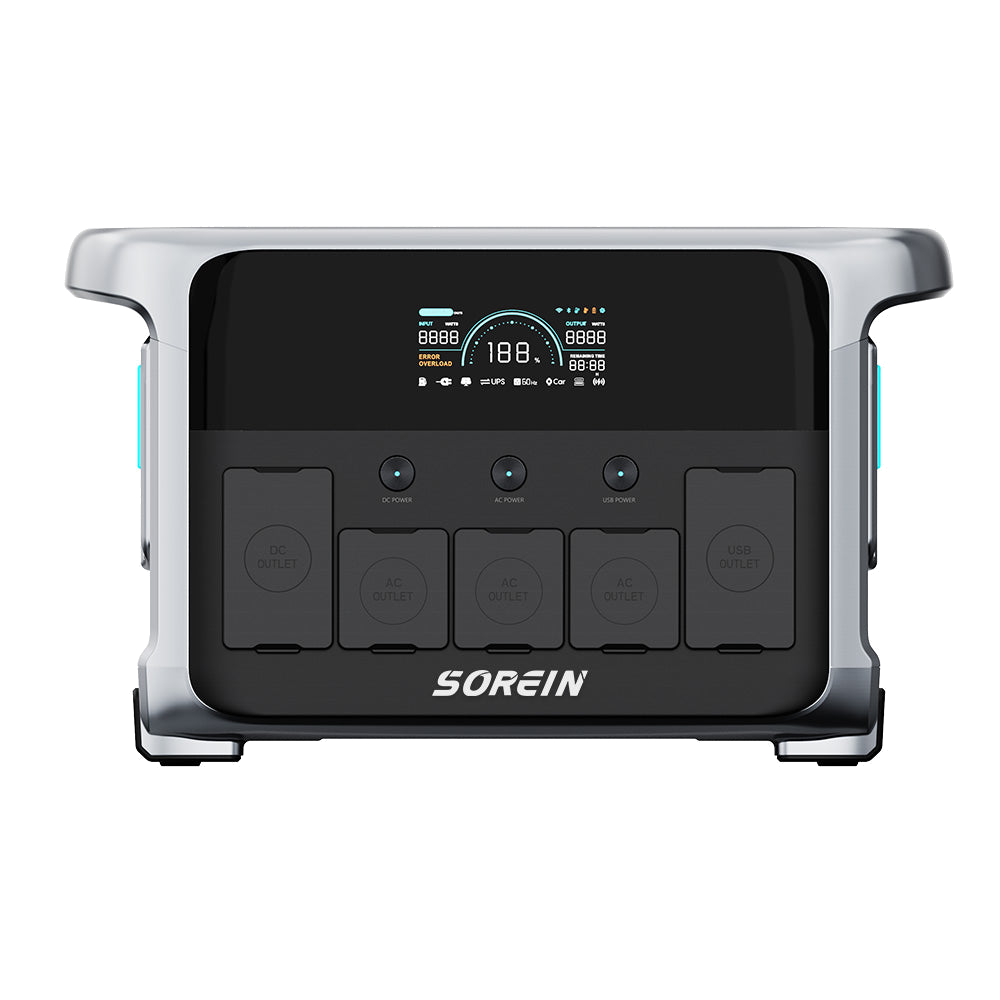 P1200More room for the weekend P1200More room for the weekend | 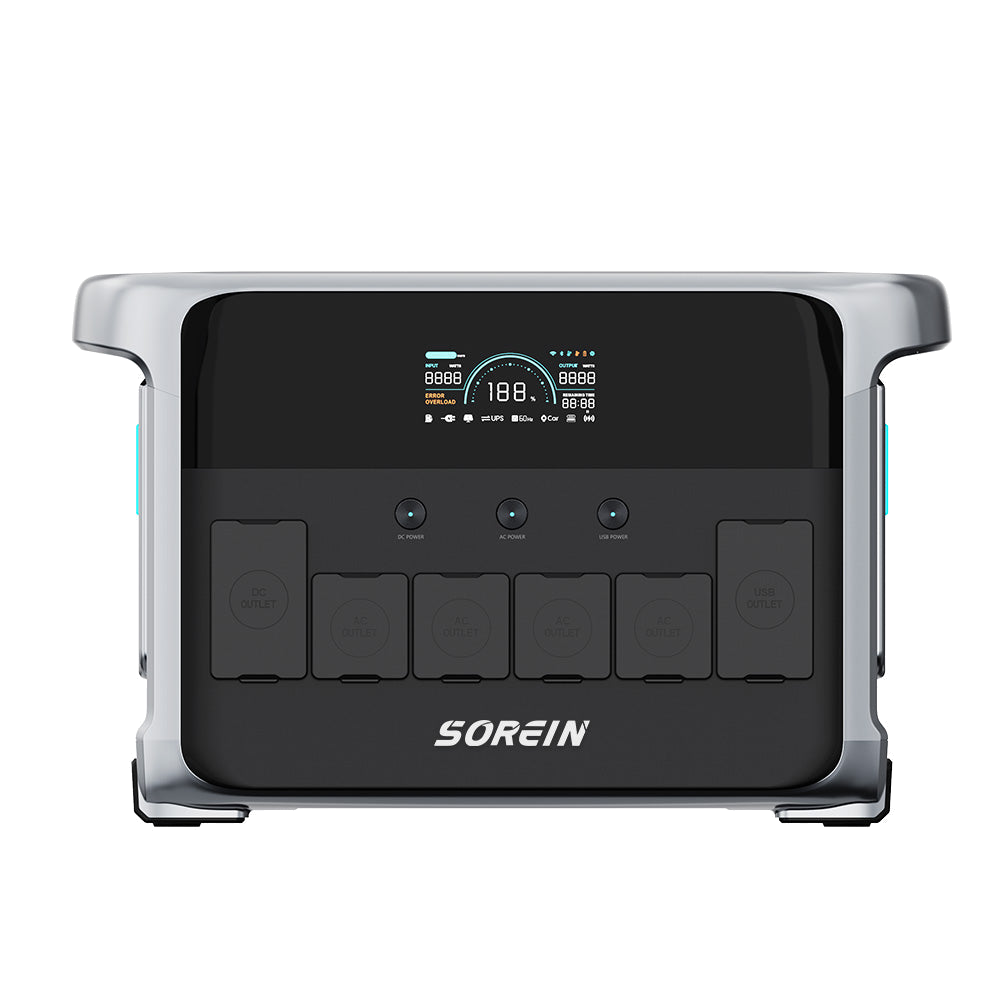 P2400High-output portable P2400High-output portable |
|---|---|---|---|
| Capacity | 481Wh | 1,152Wh | 2,160Wh |
| AC output | 600W | 1,200W | 2,400W |
| Battery | LFP · 3,500+ cycles | LFP · 3,500+ cycles | LFP · 3,500+ cycles |
| AC recharge | Approx. 1.5 hours | Approx. 1.5 hours | Approx. 1.5 hours |
| Solar plan | Pair with 200W panel | Pair with 200W panel | Pair with 400W panel |
| Key capabilities | 15W wireless phone charging · 100W USB-C fast charging | 15W wireless phone charging · Two-unit parallel expansion | 2,400W portable AC output · 2,160Wh for longer sessions |
| Best for | Tent camping, lights, phones, cameras | RV essentials, short cabin stays, mobile work | RV trips, backup essentials, portable appliances |
| Full details | View specifications | View specifications | View specifications |
| Purchase | Buy P600 | Buy P1200 | Buy P2400 |
Runtime planning
Use 85% as a simple planning factor for conversion losses. A 1,152Wh P1200 running a steady 60W load is roughly:
1,152 × 0.85 ÷ 60 ≈ 16.3 hoursThis is an estimate, not a guarantee. Real runtime changes with temperature, battery condition, surge, device cycling and simultaneous loads.Write down every device and its continuous watts.
Choose output above the combined load and account for startup surge.
Use watt-hours only after you know the station can power the devices.
Solar extends a trip but depends on real weather and panel position.