
01Start here
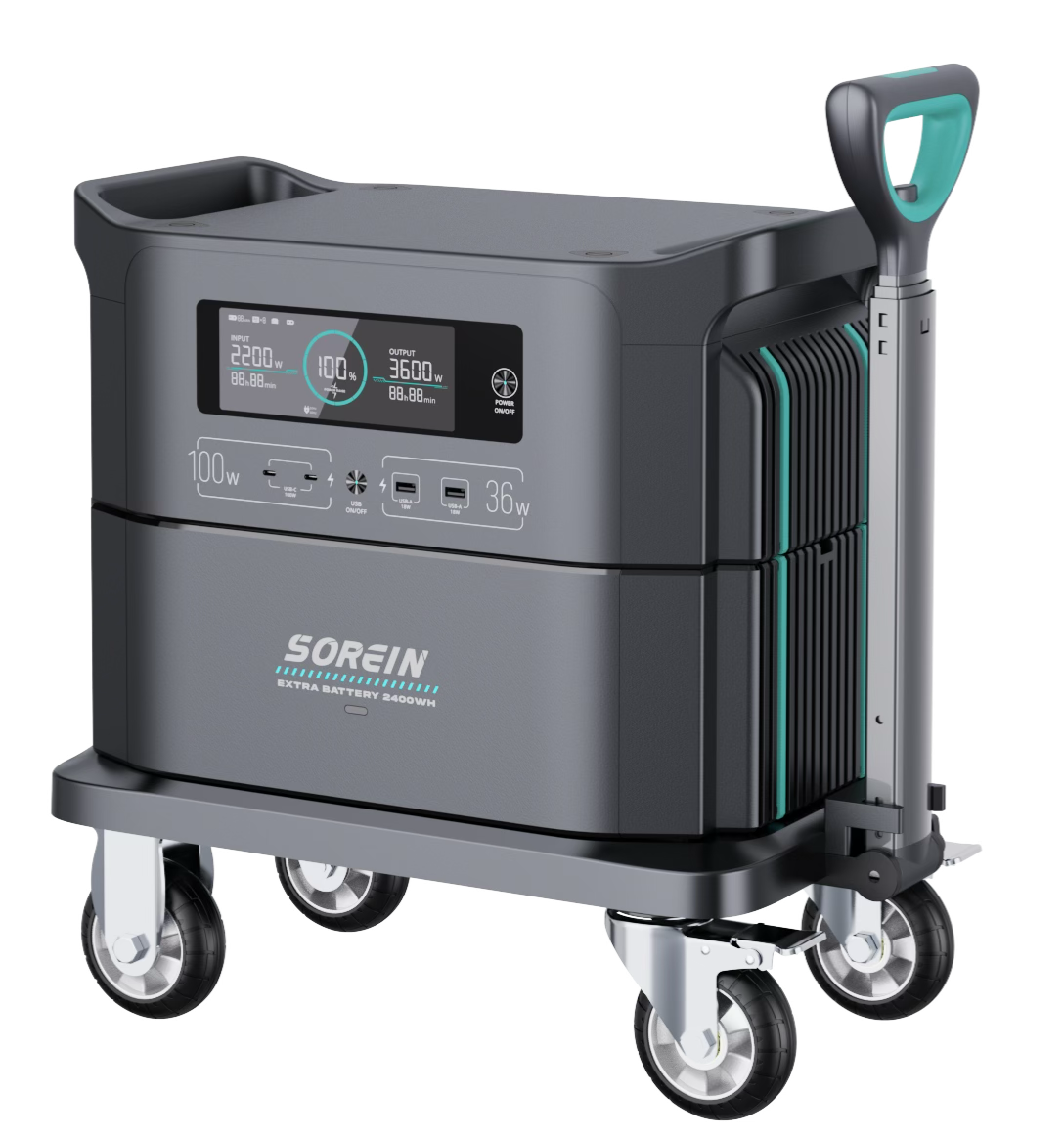
G2400
1 main base · 1 battery · trolley
- Capacity
- 2.4kWh
- AC output
- 3.3kW
Outdoor power · Home backup · Solar
From a cabin weekend to an unexpected outage, build a modular portable power station around what you need to run—and how long you need it.
The SoreinPower advantage
SoreinPower modular portable power stations start with the G Series main base and one 2.4kWh battery. Stack on battery modules for more runtime, add independent inverter modules for more AC output, and keep the complete system mobile on one trolley.
1 main base · 1 battery · trolley
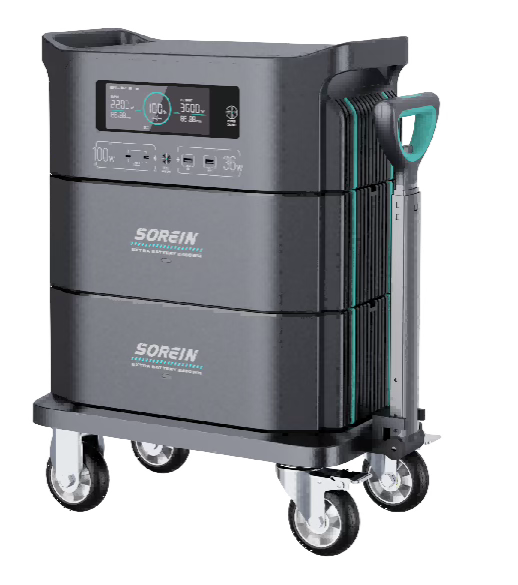
1 main base · 2 batteries · trolley
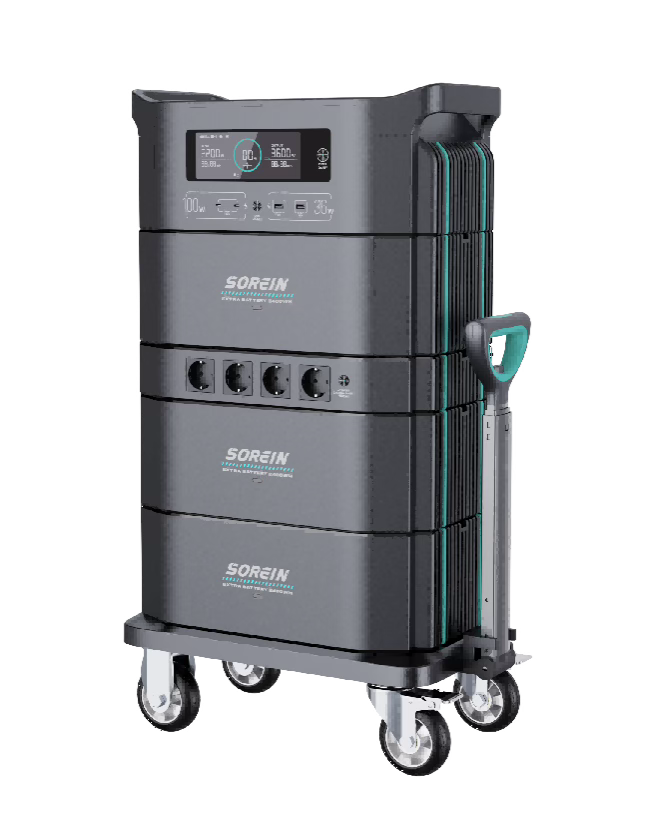
1 main base · 3 batteries · 1 added inverter
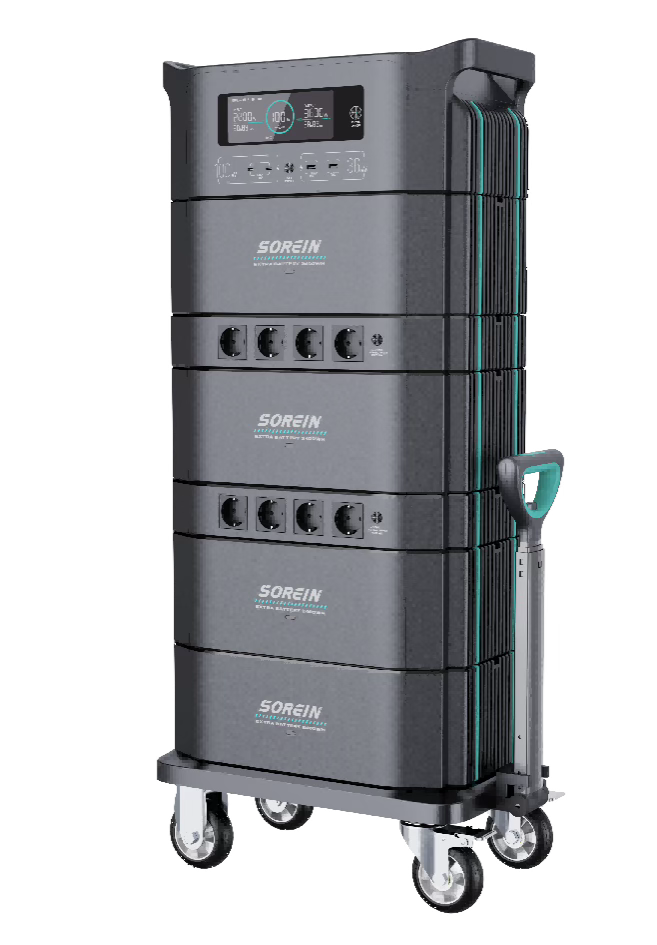
1 main base · 4 batteries · 2 added inverters
System control, AC charging, solar input, DC ports and the starting 3.3kW AC channel.
Extend runtime one pack at a time without replacing the modules already in the stack.
Each added inverter creates another separately managed AC output channel.
The matched trolley keeps the assembled modules together and ready to reposition.
Start with the job
Pick the situation first. We’ll narrow capacity, output and solar needs from there.
P600 / P1200
G4800 / G7200 + 400W solar
G4800 + 400W solar
G7200 Pro / G9600 Ultra
G7200 Pro / G9600 Ultra
Popular starting points
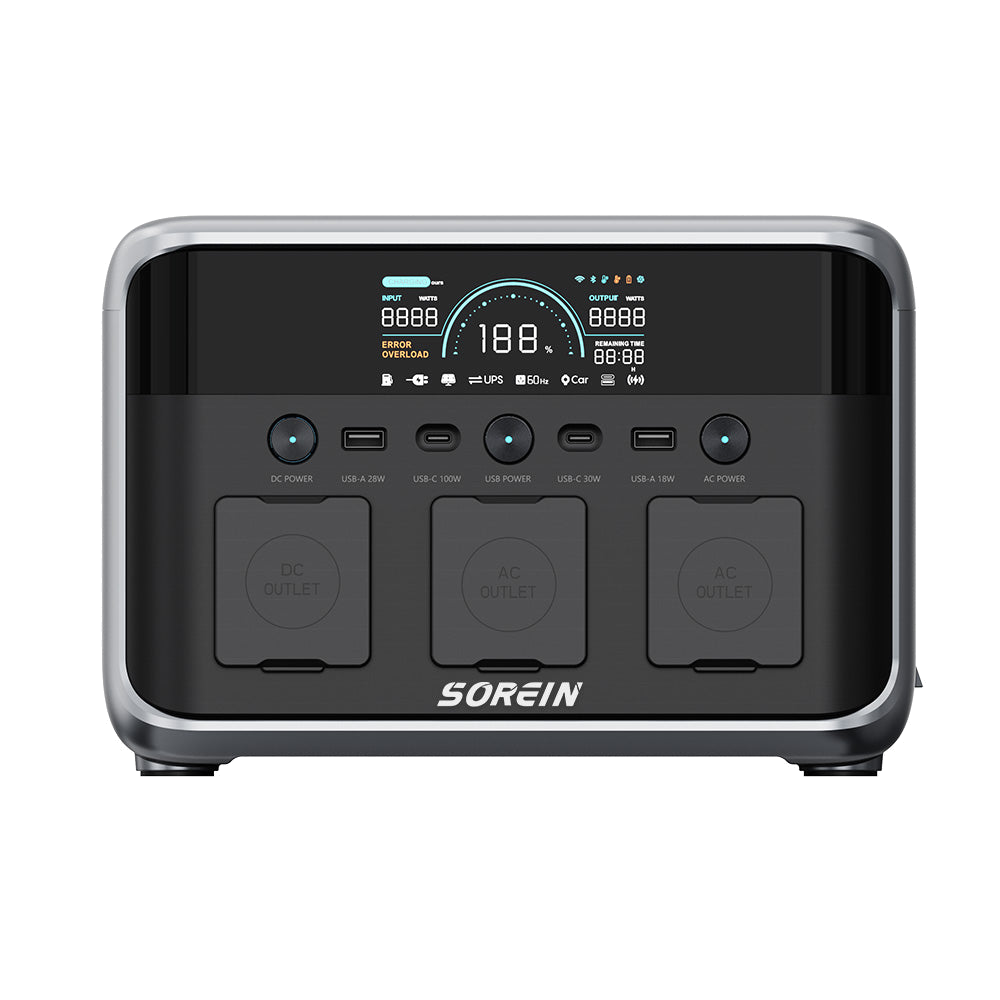
Grab-and-go power
The light-duty choice for quiet weekends, charging stations and small essentials.
Best forTent camping, lights, phones, cameras
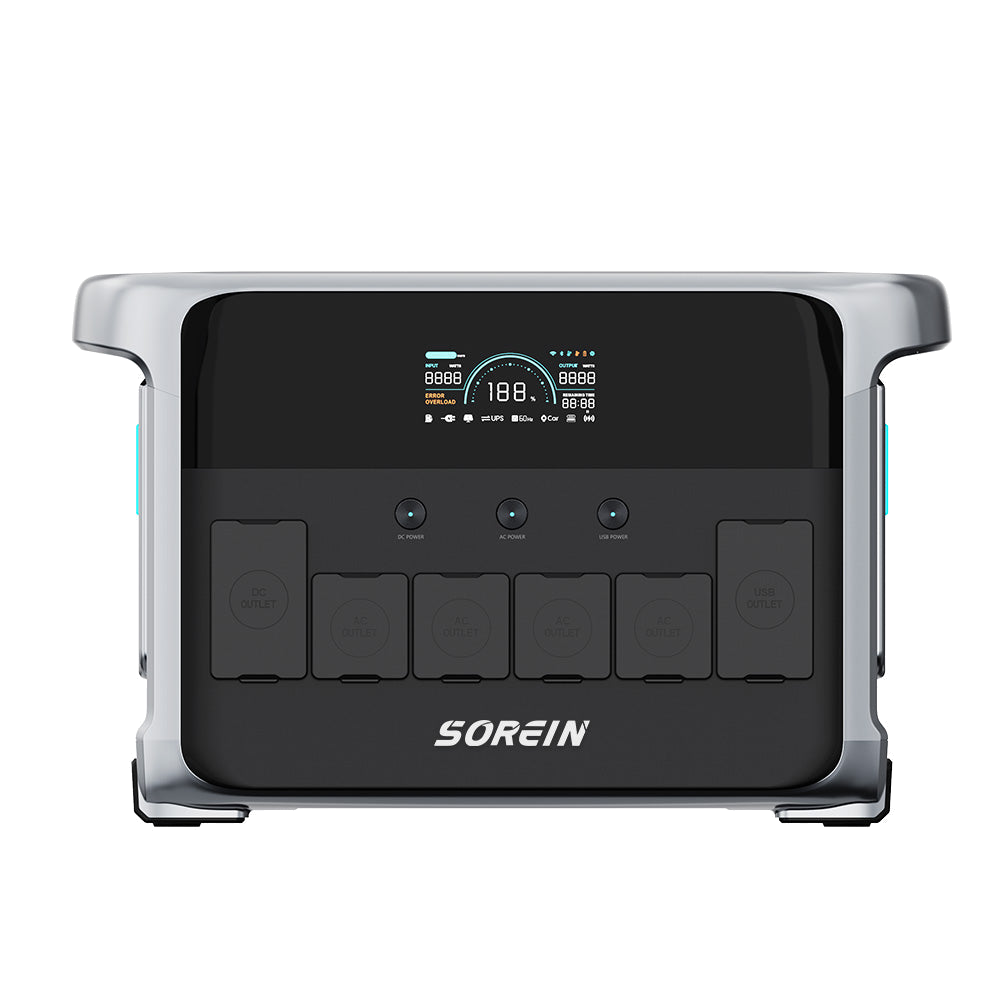
High-output portable
The portable pick for larger appliances and longer off-grid sessions without modular planning.
Best forRV trips, backup essentials, portable appliances
Modular high-output starting point
One main base and one battery pack deliver industrial-grade output in the smallest G Series configuration.
Best forConstruction tools, RV power, focused backup
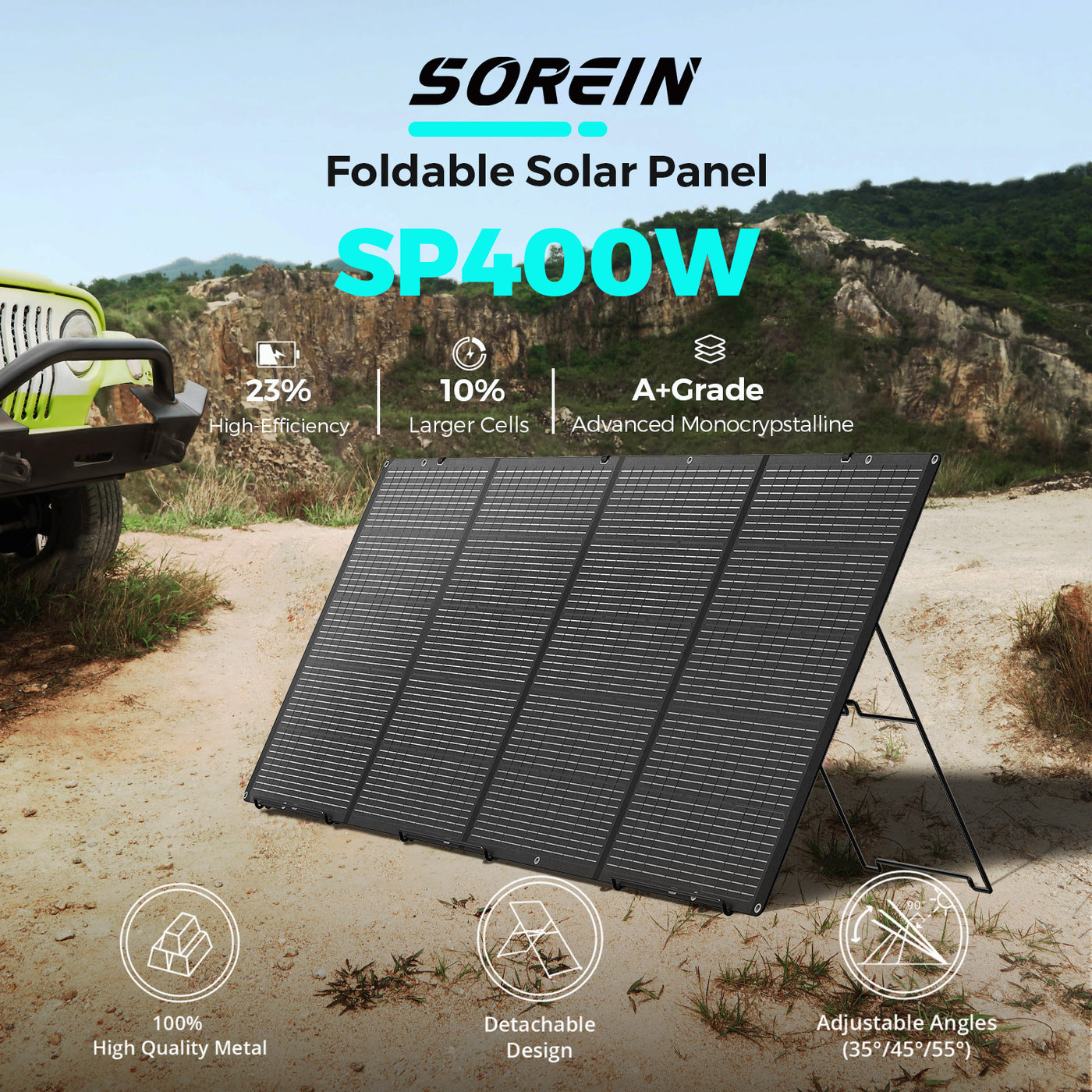
Faster solar collection
More collection area for larger systems, RV days and short off-grid cabin trips.
Best forP2400, G Series and longer off-grid stays
Read the label
The maximum load the station can support at one time. Check this first.
The energy stored inside. More watt-hours generally means longer runtime.
How much solar charging the station can accept under suitable conditions.
How many charge cycles are listed before the battery reaches its stated remaining capacity.
Choose in 30 seconds
Quick answers
Watts (W) describe how much power a device needs at one moment. Watt-hours (Wh) describe how much energy the station stores. Check output first for compatibility, then capacity for runtime.
Use capacity × 0.85 ÷ device watts as a planning estimate. Real results vary with temperature, inverter losses, battery condition, device cycling and simultaneous loads.
The recommended setup is a panel connected to a compatible power station, which then powers the device. Solar input changes with sun angle, shade, temperature and panel orientation, so the battery buffers that variation.
Start with each tool’s rated and startup wattage. G Series inverter channels are rated at 3,300W each in the US specification; Pro and Ultra configurations add independent channels rather than turning one outlet into an unrestricted combined output.